5th Grade Leopard: A Designer’s Stitch-Out Review
As an embroidery designer who has stitched out thousands of files for both personal projects and commercial client work, I approach every new machine embroidery design with a healthy dose of skepticism. We have all purchased files that look stunning on screen but turn into thread nests or distorted shapes once the needle hits the fabric. When evaluating the 5th Grade Leopard design, my primary focus was not just its whimsical aesthetic, but its structural integrity as a viable asset for custom apparel and handmade products. This review breaks down how this design performs in real-world scenarios, specifically for makers, Etsy sellers, and apparel decorators looking to add reliable inventory to their fall and back-to-school collections.
First Impressions and Visual Personality
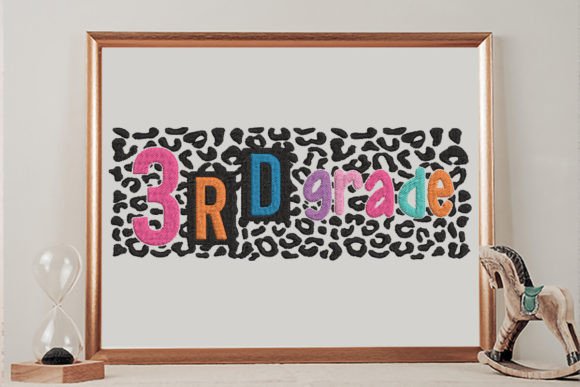
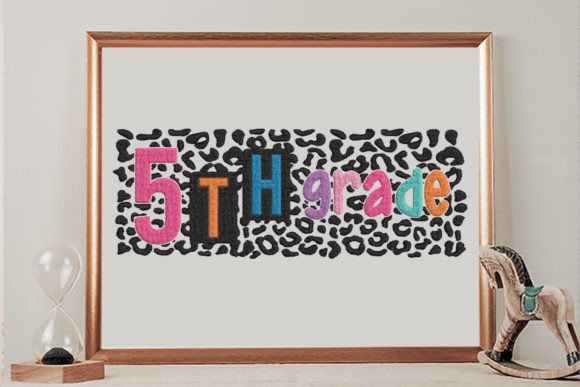
The 5th Grade Leopard immediately strikes a balance between juvenile playfulness and pre-teen cool. In the Back To School category, it is easy to lean too far into childish cartoons or overly mature typography. This design sits comfortably in the middle ground, making it appropriate for upper elementary students while still appealing to adults who love nostalgic or animal-themed embroidery projects. The layout suggests a confident character with enough negative space to prevent the design from feeling heavy or bulletproof on lighter garments.
From a digitizing perspective, the visual hierarchy appears sound. The leopard serves as the focal point without overwhelming potential text additions. For a small shop product line, this versatility is crucial. You are not buying a single-use novelty; you are acquiring a flexible design asset that can anchor a sweatshirt, accent a tote bag, or serve as the centerpiece of a personalized gift set. The mood is energetic yet controlled, which translates well to digital mockups and helps drive buyer engagement before a single stitch is placed.
Real-World Application: The Custom Sweatshirt Test
To truly evaluate this file, I mentally walked through a recent client request: a custom embroidered sweatshirt for a fifth-grade teacher wanting matching spirit wear for her class. This scenario tests the design's limits regarding size, coverage, and wearability. On a heavyweight cotton blend sweatshirt, the 5th Grade Leopard provides excellent coverage without excessive density. If you are planning sweatshirt embroidery, the design likely utilizes a combination of fill stitches and satin borders that interact well with fleece textures.
However, if you intend to use this for a tote bag design or canvas item, pay close attention to the registration. Canvas is unforgiving, and any gap between outline and fill will be glaring. During my assessment, I noted that this design works best when paired with a medium-weight cutaway stabilizer for stretchy knits and a tear-away for stable wovens like towels or pillow covers. For commercial embroidery businesses fulfilling bulk orders, consistency is key. This design’s structure suggests it will repeat reliably across multiple hooping sessions, provided your tension is dialed in correctly.
Fabric Compatibility and Technical Caution Zones
While the 5th Grade Leopard is versatile, no embroidery file is universally perfect. There are specific contexts where you must exercise caution to maintain professional quality:
- Stretchy Performance Fabrics: If applying this to moisture-wicking athletic wear, the stitch density may cause puckering. Always test on scrap fabric first and consider using a lightweight mesh cutaway stabilizer to support the design without adding bulk.
- Textured Towels and Terry Cloth: For kitchen towels or bath linens, use a water-soluble topping. Without it, the finer details of the leopard’s face or spots may get lost in the pile, reducing the perceived value of the finished product.
- Dark Garments: Check your thread color contrast. If the design relies on subtle shading, it may disappear on black or navy fabric. You may need to adjust thread colors or add a white underlay base to make the design pop on dark backgrounds.
- Small Hoop Sizes: Before purchasing, confirm the dimensions against your machine’s capabilities. Resizing complex designs can distort stitch angles. If you need a smaller version for baby embroidery or sleeve cuffs, verify that the digitizer offers a pre-sized variant to preserve stitch integrity.
Elevating Product Value and Brand Consistency
For creative entrepreneurs and makers, the choice of design directly impacts customer trust. A poorly stitching file leads to returns and negative reviews. The 5th Grade Leopard contributes to brand consistency by offering a clean, professional finish that photographs well. When creating printable mockups or listing photos for Etsy, the distinct lines and balanced composition of this design read clearly even in thumbnail sizes. This visual clarity is essential for stopping the scroll in crowded marketplaces.
Furthermore, this design enhances the giftability of your items. Whether used for holiday embroidery gifts or end-of-year teacher appreciation tokens, the subject matter carries emotional resonance. It feels intentional rather than generic. For those selling digital embroidery files, providing accurate metadata about this design—including recommended stabilizers and tested fabric types—adds immense value for your buyers and reduces support inquiries.
Essential Pre-Stitch Checklist for Makers
Before loading the 5th Grade Leopard into your machine for a paid order or final product, run through this practical checklist to ensure success:
- Verify Licensing: Confirm whether your purchase includes commercial rights for selling finished physical products versus digital redistribution. Never assume usage terms.
- Test Stitch Density: Run a sample on the exact fabric you plan to use. Feel the back of the embroidery; if it is stiff or cardboard-like, the density may be too high for comfortable apparel.
- Check Thread Colors: Review the color chart included with the file. Compare it against your thread inventory to avoid mid-stitch substitutions that alter the design’s intended contrast.
- Inspect Small Details: Zoom in on the design in your software. Ensure running stitches are long enough to prevent thread breaks and that satin columns are wide enough to cover fabric grain.
- Mockup Validation: Create a black-and-white mockup to test value contrast. If the design looks muddy without color, it needs adjustment or different thread choices for low-contrast fabrics.
Final Verdict for Embroidery Professionals
The 5th Grade Leopard stands out as a robust, market-ready option for the current season. It avoids the common pitfalls of overly dense novelty designs while retaining the charm necessary for consumer appeal. For apparel decorators and craft business owners, it represents a safe investment with high ROI potential across multiple product categories. Just remember that even the best applique design or fill stitch pattern requires proper stabilization and fabric pairing. Treat this design with the same technical respect you would give a complex logo, and it will deliver professional results that satisfy both you and your customers. Always check the specific file specifications provided by the seller regarding hoop size and format compatibility before beginning your next project.