Checkered Print Apple: A Designer’s Stitch Review
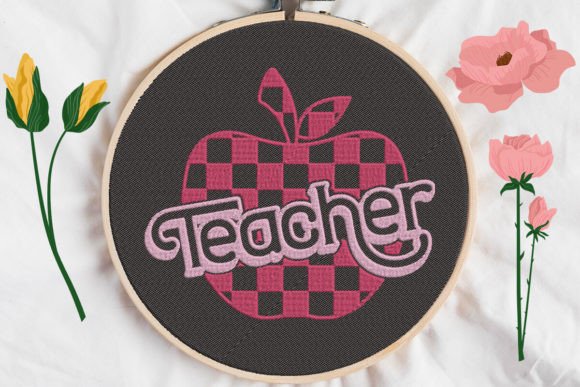
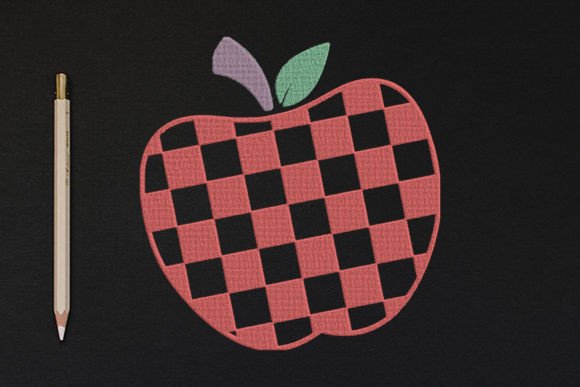
When evaluating a new machine embroidery design for potential use in client projects or shop inventory, I look beyond the digital preview. The true test of any embroidery file is how it translates from screen to fabric. The Checkered Print Apple immediately caught my eye as a versatile motif that bridges the gap between nostalgic Back To School themes and modern farmhouse aesthetics. As a designer who regularly creates custom apparel and home goods, I see this pattern not just as a seasonal icon, but as a textural element that can elevate a simple handmade product. My first impression is one of balanced whimsy; the checkered pattern within the apple shape suggests a play on gingham or tartan fabrics, offering visual interest without relying on excessive color changes or overwhelming density.
Real-World Application: The Teacher Gift Tote Bag
To truly understand the utility of the Checkered Print Apple, I mentally placed it in a specific production scenario: creating a batch of canvas tote bags for an end-of-year teacher appreciation line. In this context, the design needs to perform double duty. It must be recognizable enough to signal "school" while remaining stylish enough that a teacher would want to carry it year-round. When stitching this onto natural cotton canvas, the contrast between the matte fabric and the sheen of the embroidery thread becomes the primary design feature.
For this tote bag design, I envision using a classic red and white thread palette to mimic traditional gingham. The checkered interior acts as a built-in texture, which is far more engaging than a flat fill stitch. This makes the finished product feel higher-end and more intentional. If you are an Etsy seller or run a craft business, this distinction matters. Customers perceive value in details that look constructed rather than merely colored. The apple shape provides a clean boundary, making it easy to center on a bag panel or position over a chest pocket on a sweatshirt embroidery project without needing complex alignment guides.
Fabric Compatibility and Stabilizer Strategy
While the Checkered Print Apple is charming, its performance depends heavily on your substrate choice. The interplay of stitches required to create a checkered effect inside a curved shape demands stability. Here is how I approach different materials:
- Cotton Canvas and Denim: These are ideal hosts. The tight weave supports the internal pattern work beautifully. Use a medium-weight cutaway stabilizer to prevent puckering around the dense edges.
- T-Shirts and Knits: Proceed with caution. The checkered pattern likely involves directional stitching that can distort stretchy fabrics. Always use a fusible mesh stabilizer and consider a topping to keep the stitches from sinking into the knit texture.
- Terry Cloth Towels: Perfect for kitchen linens, but you must use a water-soluble topping. Without it, the intricate checkered details will get lost in the pile, ruining the definition of the embroidery project.
- Baby Clothes: For baby embroidery, ensure the back of the design is smooth. If the checkered fill is dense, it might be scratchy against sensitive skin. Test on a scrap onesie first and consider using a soft backing if the stitch density feels rigid.
Technical Considerations for Small Business Owners
As someone who manages commercial production, I have to think about efficiency and consistency. Before adding the Checkered Print Apple to your catalog of design assets, verify the technical specifications. Since exact stitch counts and dimensions vary by digitizer, always check the included documentation. Does the hoop size match your equipment? Is there excessive jump stitching that will require manual trimming? Time spent clipping threads eats into profit margins.
If this design utilizes an applique design technique where fabric is stitched down to create the checkers, it can save thousands of stitches compared to a fully embroidered fill. However, this requires precise placement. For commercial embroidery runs, appliqué adds a step that increases labor time. Conversely, if it is purely stitched, check the density map. A design that is too dense for lightweight quilting cotton will result in holes or tearing, leading to wasted blanks and unhappy customers. Always run a sew-out on the exact material you intend to sell before listing a personalized gift or bulk order.
Visual Appeal and Brand Consistency
The mood of the Checkered Print Apple leans towards cozy, rustic, and friendly. This makes it exceptionally strong for autumn collections, harvest festivals, and educational merchandise. However, as a reviewer, I advise checking how this motif aligns with your existing brand identity. If your shop specializes in minimalist, line-art aesthetics, this filled, pattern-heavy design might clash. But if your brand celebrates cottagecore, vintage revival, or handmade warmth, this digital embroidery file is a cohesive addition.
Consider the colorway versatility. While red and white are standard, have you tested this in sage green and cream for a neutral nursery theme? Or navy and gold for a collegiate holiday embroidery vibe? Changing thread colors can completely alter the perceived demographic of the item. I recommend creating printable mockups in various color combinations to gauge customer interest before committing to physical samples. This allows you to market the design across multiple niches—from patches for denim jackets to accents on pillow covers—without holding excessive inventory.
Designer Notes for Professional Results
To ensure the Checkered Print Apple meets professional standards, treat your preparation phase as seriously as the stitching itself. Here are practical steps I take when integrating a new motif:
- Contrast Testing: Stitch the design in black and white thread on both light and dark fabric. This reveals whether the checkered pattern relies on color contrast or structural stitching. If the pattern disappears in monochrome, the digitizing may lack sufficient depth variation.
- Licensing Verification: Before selling finished items featuring this design, confirm the usage rights. Some designers restrict commercial embroidery use or limit the number of units sold. Protect your business by reading the terms attached to the embroidery file.
- Detail Inspection: Zoom in on the corners of the checkered squares during the preview. Are they sharp or rounded? Sharp corners on a curve can cause thread breaks or fraying. If the digital file looks jagged, expect similar results on fabric.
- Wash Test: If you are selling tea towels or children's wear, wash and dry your sample three times. Checkered patterns can warp if the tension wasn't balanced during digitizing. A distorted apple after one wash destroys customer trust.
- Mockup Reality Check: Don't rely solely on software renders. Photograph your actual sew-out for listings. Buyers appreciate seeing real fabric texture and stitch definition. Authentic photos convert better than perfect digital simulations for small shop products.
Ultimately, the Checkered Print Apple offers a delightful opportunity to add character to your embroidery lineup. Its strength lies in its ability to evoke tradition while fitting seamlessly into contemporary maker markets. Whether you are crafting a unique embroidered patch, decorating a boutique apron, or building a seasonal collection, success comes from respecting the interaction between the digital file and the physical medium. By testing thoroughly and applying thoughtful design judgment, you transform a simple graphic into a signature piece that resonates with buyers and showcases your craftsmanship.