4th Grade Apple Pencil: Embroidery Design Review
As a professional embroidery designer specializing in commercial branding and merchandise production, I approach every new machine embroidery design with a critical eye toward production viability. When evaluating the 4th Grade Apple Pencil for small business applications, my primary focus shifts from simple aesthetics to functional durability and brand alignment. This design, categorized under Back To School, offers a distinct whimsical charm that can be leveraged effectively by creative businesses, educational brands, and artisanal shops. However, translating a digital concept into a tangible finished product requires understanding how this specific artwork behaves on various substrates and within different branding contexts.
Visual Personality and Brand Alignment
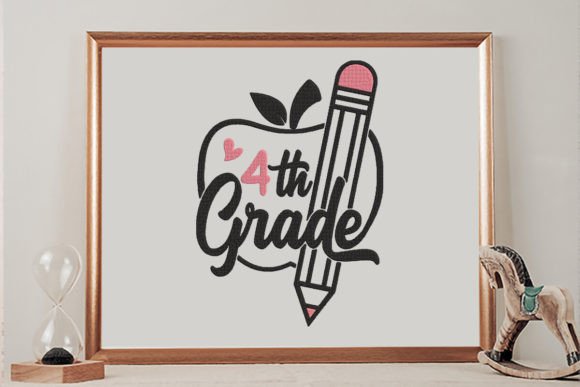
The first impression of the 4th Grade Apple Pencil is undeniably playful yet structured. For a business owner or apparel decorator, this balance is crucial. It does not feel overly juvenile; rather, it possesses a nostalgic, hand-drawn quality that resonates with handmade brands, tutoring centers, children’s boutiques, and creative studios. The design communicates approachability and creativity, making it an excellent candidate for businesses that want to soften their corporate image or emphasize a personal touch.
When considering brand identity, this design works best for entities that value education, craftsmanship, or community. A local bakery might use it to evoke childhood memories, while a florist could utilize it to suggest natural growth and learning. However, for high-end luxury brands or industrial safety companies, the whimsical nature of this embroidery file may clash with established visual standards. It is essential to assess whether the friendly aesthetic aligns with your target demographic before committing to bulk production.
Commercial Applications for Small Business Merch
In real-world commercial embroidery scenarios, versatility is key. The 4th Grade Apple Pencil shows significant promise across multiple product categories relevant to small business owners and Etsy sellers.
- Staff Uniforms and Aprons: For cafes, bookstores, or art supply shops, this design serves as an engaging chest logo or pocket accent. Its size and style are appropriate for apron embroidery, adding character to staff attire without compromising professionalism.
- Tote Bag Design: Canvas totes are a staple for markets and retail. This design stitches out beautifully on untextured canvas, creating a high-perceived-value item that customers actually want to reuse, extending your brand's reach.
- Embroidered Patches: Creating standalone patches allows for flexible inventory. You can produce these in batches and apply them to caps, jackets, or backpacks as needed. The distinct outline typical of school-themed designs usually translates well to patch borders.
- Customer Gifts and Event Merch: Whether for a back-to-school promotion or a workshop giveaway, items featuring this design feel thoughtful rather than generic. It adds a layer of exclusivity to small business merch that printed alternatives often lack.
Production Considerations and Technical Limitations
While the design is charming, technical execution determines its success in a production environment. As with any digital embroidery file, you must verify specific parameters before running live orders. Always check the included documentation for exact stitch count, recommended hoop size, and color sequence. These details are non-negotiable for maintaining consistency across hundreds of units.
Fabric Texture and Stabilizer Selection
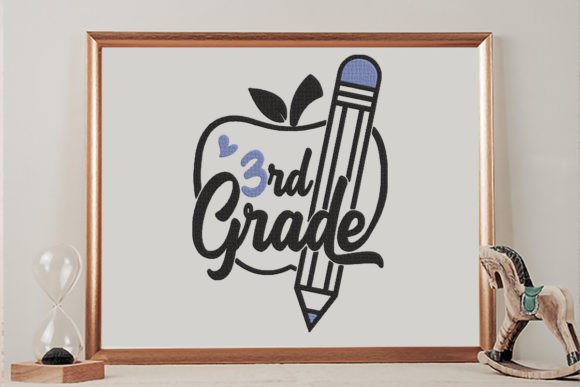
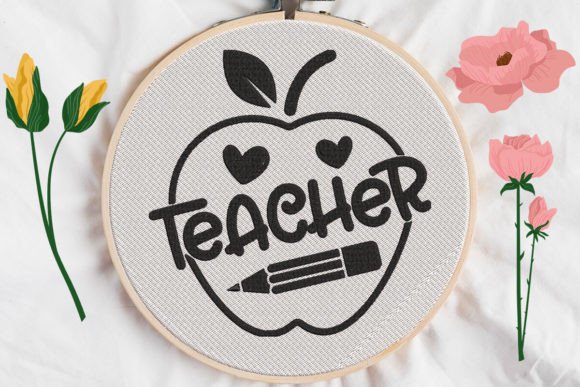
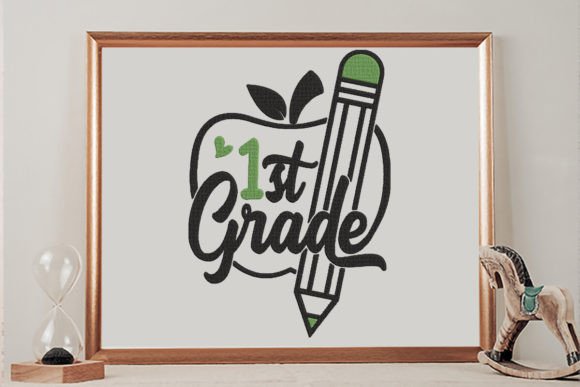
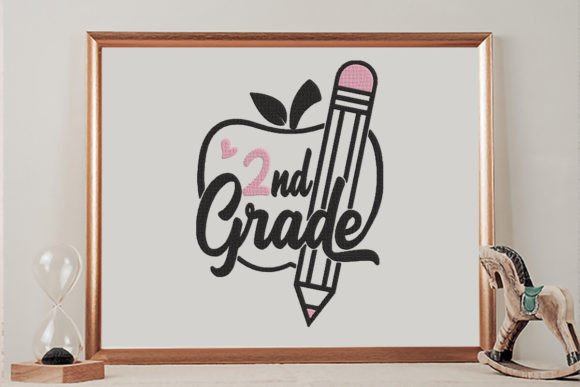
The performance of 4th Grade Apple Pencil will vary significantly based on fabric texture. On smooth cotton t-shirts or towel terry, the design should register cleanly. However, if you are stitching on textured aprons, denim caps, or knit fabrics, registration issues may arise. Detailed elements, such as the pencil tip or apple stem, require precise alignment. Using the correct stabilizer is mandatory; a cut-away backing is generally preferred for stretchy garments to prevent distortion during wear and washing, while tear-away may suffice for stable woven tote bags.
Size Constraints and Detail Integrity
One area requiring caution is resizing. While the description suggests versatility, reducing this design too far for tiny sleeve cuffs or miniature labels can compromise legibility. If the design contains small text or intricate shading, aggressive downsizing may cause thread breaks or muddy details. Conversely, enlarging it for large back prints may expose gaps in fill stitches if the digitizing was optimized for a smaller area. Always test the design at your intended production size.
Cap Embroidery Challenges
For cap embroidery, the curvature of the hat front presents unique challenges. Ensure the design has been digitized specifically for caps (center-out sequencing) or use a flat brim cap if using a standard flat-design file. Distortion on curved surfaces can make straight lines appear bowed, so a test run on an actual cap blank is essential before approving the final look.
Enhancing Value Through Professional Execution
The difference between a hobbyist project and a sellable commodity lies in finishing. When using 4th Grade Apple Pencil for branded goods, consider how thread colors interact with your brand palette. You are not obligated to use the stock colors provided in the file. Customizing the red of the apple or the yellow of the pencil to match your specific Pantone shades creates visual consistency and reinforces recognition. This subtle adjustment transforms a generic clip-art style design into a proprietary custom apparel asset.
Furthermore, presentation matters. Before listing a new product on Etsy or offering it to wholesale clients, create a printable mockup or photograph a physical sample. Digital renderings often fail to capture the sheen of rayon threads or the texture of the stitch. Showing potential buyers a real photo builds trust and accurately sets expectations regarding the tactile quality of the handmade product.
Designer’s Checklist for Commercial Success
To ensure 4th Grade Apple Pencil performs reliably in your business workflow, follow this practical pre-production checklist:
- Verify Licensing: Confirm the design assets include commercial usage rights. Never assume a file is cleared for resale or branded merchandise without explicit permission.
- Run a Black and White Test: Stitch the design in a single color first. This reveals structural issues, density problems, or registration errors that multi-color stitching might hide.
- Check Contrast: Test the design on both light and dark fabrics. Some details visible on white may disappear on navy or black uniforms. Adjust underlay or add outlines if necessary.
- Validate Hoop Fit: Ensure the design fits comfortably within your machine’s maximum sewing field with adequate margin for hoop clearance. Crowding the edges leads to frame strikes and ruined goods.
- Wash Test: If selling apparel or towels, wash and dry the test sample. Check for puckering, thread shrinkage, or color bleeding. Your customers expect durability.
- Compare Beside Other Assets: Place this design next to your existing logos or patterns. Does the stitch density match? Is the style cohesive? Visual harmony across your product line signals professionalism.
Final Verdict for Business Use
The 4th Grade Apple Pencil is a strong contender for businesses targeting families, educators, and creatives. Its inherent charm provides an emotional hook that sterile corporate logos lack. By treating it as a serious production asset—testing rigorously, customizing colors, and respecting technical limitations—you can elevate this machine embroidery design from a simple digital file to a cornerstone of your seasonal merchandise strategy. Whether applied to a boutique tote bag or a staff uniform, proper execution ensures it enhances both product value and customer engagement.