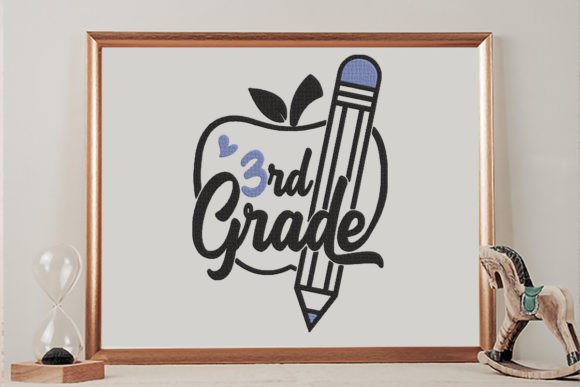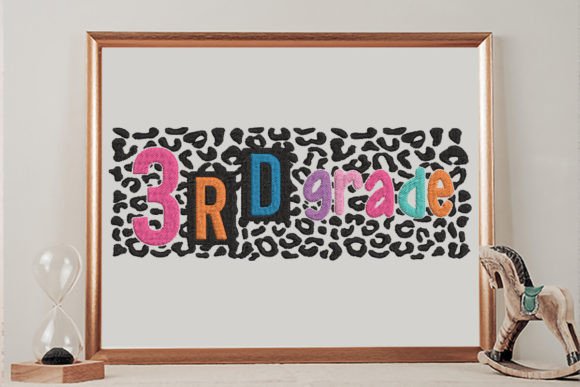
3rd Grade Leopard: A Boutique Sweatshirt Design Review
As an embroidery designer preparing for a limited seasonal drop, selecting the right artwork is about more than just aesthetics; it is about technical viability and market resonance. When evaluating 3rd Grade Leopard for a premium sweatshirt collection, I am looking at how this machine embroidery design translates from a digital file to a tangible, high-value garment. For small clothing brands and Etsy sellers targeting the Back To School niche, this design offers a specific whimsical charm that balances youthful energy with boutique sophistication. However, achieving a professional finish requires understanding how this motif interacts with heavy knit fabrics and commercial production standards.
First Impressions and Design Personality
The initial appeal of 3rd Grade Leopard lies in its versatility. While categorized under Back To School, the aesthetic transcends traditional academic imagery. It feels playful yet structured enough for custom apparel aimed at parents, teachers, or students who prefer style over novelty. In my review, the design reads as "casual premium." It avoids the overly juvenile look that can sometimes plague school-themed merchandise, making it suitable for oversized hoodies and cozy seasonal apparel that adults actually want to wear.
For a boutique brand, mood is everything. This design carries a fun and whimsical accent without sacrificing readability. The layout appears optimized for visibility, which is crucial when photographing products for social media or Etsy listings. A design that gets lost in the texture of a fleece sweatshirt will not convert sales. 3rd Grade Leopard seems to possess the visual weight necessary to stand out against neutral sweatshirts, dark fabrics, and pastel colors, ensuring the finished product looks intentional and polished rather than like an afterthought.
Technical Evaluation for Sweatshirt Embroidery
Sweatshirt embroidery presents unique challenges compared to quilting cotton or t-shirts. The loftiness of French terry and fleece can swallow fine details. When testing this embroidery file, my primary concern is stitch density and fabric interaction. Heavy knits require designs with adequate underlay and compensation for fabric push-and-pull. If 3rd Grade Leopard has areas of extremely dense satin stitching directly adjacent to open running stitches, there is a risk of puckering on stretchy hoodie material.
I recommend verifying the following technical aspects before running a full production batch:
- Stabilizer Choice: Use a medium-weight cutaway stabilizer rather than tear-away. Cutaway provides permanent support for the knit structure, preventing distortion after washing. For very thick hoodies, consider adding a layer of fusible mesh to reduce needle friction.
- Thread Color Contrast: Test thread colors against your specific blank inventory. On heather grey or oatmeal sweatshirts, ensure the leopard print elements have sufficient contrast. Tone-on-tone embroidery looks luxurious but requires perfect tension; high-contrast threads are more forgiving and visually striking for lifestyle photography.
- Hoop Size and Placement: Confirm the dimensions fit your intended placement. For a left-chest logo on an adult hoodie, the design must be legible at smaller sizes. If resizing is necessary, do so within 10-15% to maintain stitch integrity. Always check the recommended hoop size specified in the digital embroidery file metadata.
- Fabric Texture Compatibility: Run a test stitch-out on the exact garment you plan to sell. Fleece lining behaves differently than unbrushed French terry. The "whimsical accent" described in the product details should remain crisp, not buried in the pile.
Strategic Placement for Commercial Apparel
Where you place 3rd Grade Leopard dictates its perceived value. For a small shop product lineup, variety drives engagement. This design is adaptable across multiple garment zones, allowing you to maximize a single asset.
Chest and Heart Placement
The classic left-chest placement remains the gold standard for hoodie design and crewneck sweatshirts. Here, 3rd Grade Leopard acts as a subtle brand identifier. This positioning works exceptionally well for teacher appreciation gifts or matching class sets where professionalism is still required. Ensure the design is centered relative to the shoulder seam, not the side seam, to account for garment drape.
Sleeve Accents and Cuffs
Adding this motif to a sleeve cuff or upper arm creates a unique selling proposition for handmade businesses. Sleeve embroidery implies a higher level of customization and justifies a premium price point. Because sleeves are curved and difficult to hoop, use a magnetic hoop or adhesive spray with a non-stick backing to prevent shifting. This application turns a basic sweatshirt into a statement piece.
Back Designs and Oversized Fits
For trendy, oversized silhouettes, scaling 3rd Grade Leopard for a center-back placement creates bold visual impact. However, larger designs increase stitch count and production time. Verify that the file supports enlargement without becoming sparse. A large back print on a cozy seasonal apparel item photographs beautifully for flat lays and mockups, directly influencing buyer trust and click-through rates.
Enhancing Brand Value and Buyer Trust
In the competitive landscape of digital sellers and creative entrepreneurs, presentation is as important as the stitch-out itself. Using 3rd Grade Leopard effectively can elevate your entire shop's perception. High-quality embroidery signals durability and care. When customers see clean registration and appropriate stabilizer usage in your product photos, they associate those traits with your brand identity.
Create accurate printable mockup previews using actual stitch-out photos rather than generic digital renders whenever possible. Real photos show how the thread sheen interacts with the fabric texture, managing customer expectations regarding size and color. For Etsy sellers, listing videos showing the design being stitched or worn add a layer of authenticity that boosts conversion. Highlighting that this is a specialized sweatshirt embroidery project rather than a generic patch reinforces your expertise.
Furthermore, consider the longevity of the product. Back To School items often face rigorous washing cycles. Ensure your finishing process includes trimming jump threads and checking for loose bobbins. A handmade product that survives the laundry room builds repeat customers. If the design holds up well on towels and home decor as suggested in the description, emphasize this multi-use capability in your marketing to appeal to buyers looking for coordinated sets.
Production Checklist Before Launch
Before listing any apparel featuring 3rd Grade Leopard, complete this final verification to protect your reputation and profit margins:
- Verify File Specifications: Check the included documentation for exact stitch counts, format compatibility, and license terms. Never assume a file is commercial-safe without reading the fine print.
- Test Wash Durability: Wash and dry your sample garment three times. Inspect for thread breakage, stabilizer residue, or design distortion. Premium boutiques cannot afford returns due to poor wash performance.
- Photograph on Multiple Blanks: Show the design on at least two different fabric colors. What pops on white might vanish on navy. Give your customers confidence in their color choice.
- Optimize Listing Keywords: Use relevant terms naturally. Describe the vibe (whimsical, cool, charming) alongside technical specs to capture both emotional and practical search intent.
3rd Grade Leopard represents a strong opportunity for apparel decorators and small business owners looking to refresh their Back To School or seasonal inventory. By treating this design asset with professional scrutiny—focusing on stabilizer selection, placement strategy, and quality presentation—you transform a simple digital file into a cornerstone of a profitable, reputable clothing line. Always remember that in commercial embroidery, the difference between a hobbyist result and a boutique bestseller lies entirely in the preparation and respect for the materials.