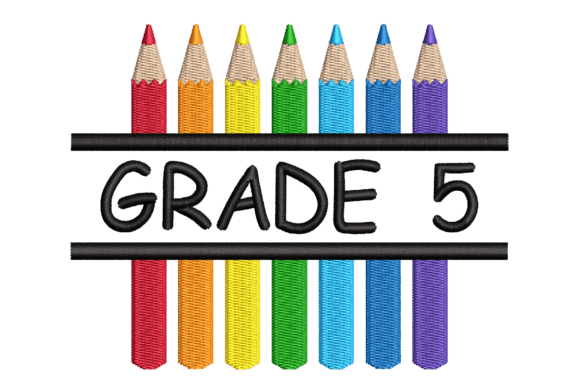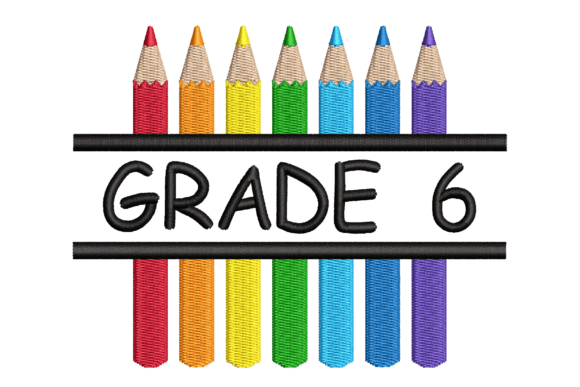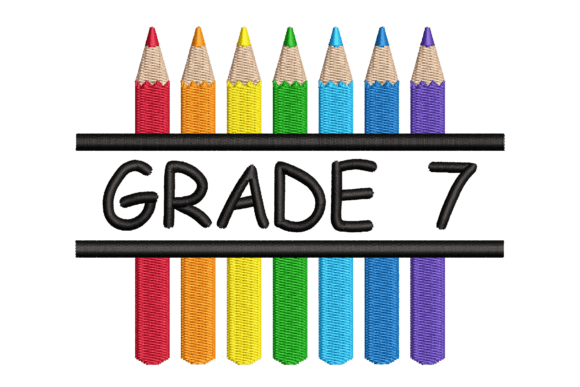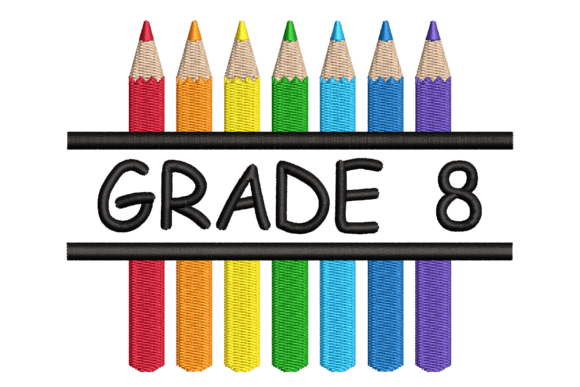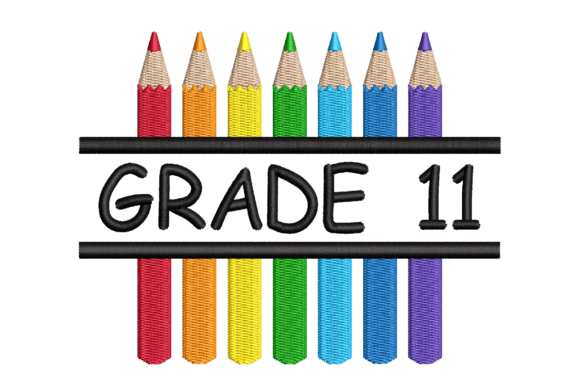
Grade 11 Split Colored Pencils Design Review
As an embroidery designer specializing in commercial merchandise and branded assets, I approach every new machine embroidery design with a critical eye toward production viability and brand application. When evaluating the Grade 11 Split Colored Pencils design, my primary focus is not just its aesthetic appeal for the Back To School category, but its functional performance as a business asset. This review analyzes the design from the perspective of small business owners, apparel decorators, and Etsy sellers who require reliable, high-quality results for custom apparel and promotional goods.
Visual Personality and Brand Identity Assessment
The first impression of Grade 11 Split Colored Pencils is distinctly hand-drawn and playful, yet structured enough for commercial use. The "split" pencil motif suggests creativity, duality, and artistic expression, making it an excellent visual metaphor for creative studios, tutoring centers, art supply shops, or educational brands. Unlike generic clip art, this design carries the nuance of being hand-drawn by an embroidery artist, which translates into a more organic stitch path rather than rigid, auto-digitized lines.
For brand identity, this design strikes a balance between professional and approachable. It avoids looking overly juvenile, which allows it to mature into a versatile logo accent or decorative element for businesses targeting teens, young adults, or parents. The split color blocking offers natural opportunities for customization; a boutique could easily swap thread colors to match their specific palette without losing the integrity of the original artwork. This adaptability is crucial for maintaining visual consistency across various design assets while keeping production costs manageable.
Commercial Applications for Small Business Merch
In a real-world business scenario, Grade 11 Split Colored Pencils demonstrates significant versatility beyond standard school supplies. For a local café or bakery, this design works exceptionally well as a seasonal apron embroidery feature or a staff uniform accent during back-to-school promotions. The friendly aesthetic invites customer engagement and softens the corporate feel of a uniform.
For makers and Etsy sellers, this design serves as a strong centerpiece for tote bag design and canvas goods. The linear nature of pencils typically digitizes well on heavier fabrics like canvas or denim, where the stitch definition remains crisp. Creative studios might utilize this as a chest logo on work shirts or as a sleeve detail that signals craftsmanship. Furthermore, because the design is described as perfect for school bags, it has proven durability potential for items subjected to daily wear, provided the correct stabilizer and fabric texture combinations are used.
I also see strong potential for this design in small business merch aimed at students or educators. Bookstores, libraries, and tutoring services can use this as a recognizable emblem on caps, notebooks, or welcome kits. The distinct shape allows for easy recognition even at smaller sizes, which is vital for building customer trust and product value through consistent branding.
Production Considerations and Technical Limitations
While Grade 11 Split Colored Pencils is visually appealing, technical execution determines its success in commercial embroidery. As a reviewer, I must highlight areas where caution is required. The "split" nature of the pencils implies color changes and potentially intricate detailing where the wood meets the lead or paint. If these transition points are too small, they may become muddy on textured fabrics like pique polos or fleece.
Cap embroidery presents another challenge. While the vertical orientation of pencils often suits cap fronts, the curvature of the hat can distort straight lines. Before committing to bulk production, you must test how the design sits on a curved surface. If the pencils appear bowed or the spacing compresses unevenly, the design may need slight modification or a specialized cap backing to maintain professional standards.
Stitch density is another critical factor. Hand-drawn designs sometimes feature shading or fill patterns that look beautiful on screen but cause puckering on lightweight fabrics. Always verify the stitch density relative to your target garment weight. If using this design on thin cotton tees or performance wear, ensure adequate stabilization is applied to prevent distortion. Conversely, on heavy tote bags, confirm that the needle penetration is sufficient to anchor the threads securely against abrasion.
Designer Notes for Professional Execution
To ensure Grade 11 Split Colored Pencils performs flawlessly in your production workflow, adhere to these practical guidelines derived from professional digitizing standards:
- Verify Specifications: The product description highlights the artistic origin but does not list exact stitch counts, hoop sizes, or file formats. Always check these technical details in your digital embroidery file metadata before purchasing or stitching to ensure compatibility with your machine and project scope.
- Test in Monochrome: Before running full-color samples, stitch a black-and-white version. This reveals the underlying structure and highlights any registration issues between color blocks without wasting expensive variegated threads.
- Evaluate Minimum Size: Determine the smallest viable size for legibility. Test the design at your intended patch dimensions. If fine details disappear or letters merge below a certain threshold, establish a minimum size rule for your shop to protect quality.
- Contrast Check: Review thread colors against your actual fabric swatches. Screen brightness often misrepresents contrast. Ensure the split sections remain distinct on both light and dark backgrounds to preserve the design’s core concept.
- Stabilizer Selection: Match your stabilizer to the fabric texture and stitch count. Use cutaway for stretchy knits and tear-away for stable wovens. Proper support is non-negotiable for achieving a premium finished product.
- Create Printable Mockups: Before physical sampling, generate a printable mockup to visualize placement and scale. Share this with clients or team members for approval to avoid costly re-stitches due to sizing disagreements.
- Licensing Confirmation: Crucially, confirm commercial licensing terms. Just because a design is sold digitally does not automatically grant rights for mass-produced merchandise or resale. Protect your business by verifying usage rights explicitly.
Enhancing Product Value Through Strategic Placement
The true value of Grade 11 Split Colored Pencils lies in strategic application. Rather than treating it as mere decoration, view it as a communication tool. On a handmade product tag, it signals artisanal care. On a staff apron, it communicates a welcoming, creative environment. On student merchandise, it fosters a sense of belonging and readiness.
When integrating this design into your catalog, consider pairing it with complementary typography or simpler geometric borders to frame the hand-drawn elements professionally. This elevates the perceived value of the item and reinforces brand cohesion. Remember that customers associate clean, well-executed embroidery with overall business quality. A puckered or poorly registered design undermines trust, while a crisp, vibrant execution enhances it.
Ultimately, Grade 11 Split Colored Pencils offers a unique blend of artistic charm and commercial utility for the Back To School season and beyond. By respecting its technical requirements and leveraging its versatile personality, small businesses can transform this embroidery file into a powerful asset that drives recognition, engagement, and sales. Always prioritize testing and verification to ensure that the final embroidered result honors both the artist’s original vision and your brand’s reputation for excellence.