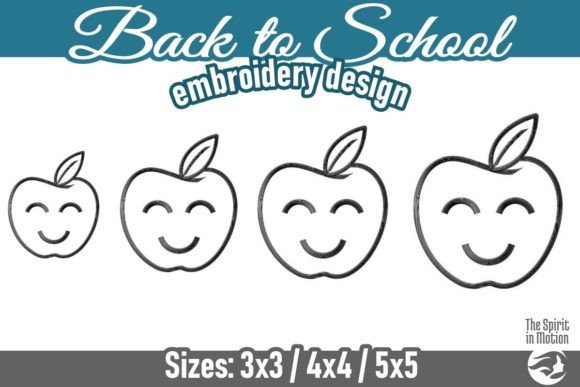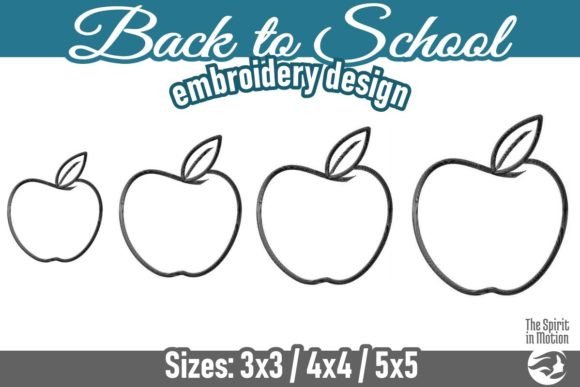
Back to School Outline Apple: A Business Design Review
As a professional embroidery designer specializing in commercial branding and merchandise production, I approach every new machine embroidery design with a critical eye toward production viability and brand alignment. When evaluating the Back to School Outline Apple, my primary focus is not just its whimsical aesthetic, but its functional performance across various business applications. For small business owners, Etsy sellers, and apparel decorators, this design offers distinct advantages for specific niches, provided it is implemented with technical precision. This review breaks down how this outline style translates from a digital file to a profitable, professional finished product.
Visual Personality and Brand Alignment
The first impression of the Back to School Outline Apple is undeniably friendly and approachable. Unlike dense fill designs that can feel heavy or corporate, an outline style communicates a sense of lightness, creativity, and handmade authenticity. For businesses in the education sector, children’s retail, tutoring services, or family-oriented cafés, this visual tone is essential. It strikes a balance between professional recognition and playful engagement.
However, "whimsical" does not mean unprofessional. In a commercial context, this design serves as an excellent accent element rather than a dominant logo. It works best when paired with clean, sans-serif typography or used as a secondary icon on custom apparel. The outline nature allows the fabric texture to show through, which creates a more integrated, premium look on high-quality garments compared to the plastic-like feel of over-saturated stitch areas. For a boutique or creative studio, this subtlety reinforces a brand identity that values craftsmanship and detail.
Commercial Applications for Small Business Merch
Versatility is key for any digital embroidery file intended for business use. Based on the structural characteristics of an outline apple, here is how I recommend deploying this design for maximum ROI:
- Apron Embroidery: For bakeries, florists, and coffee shops, this design is ideal for apron pockets or chest placements. The lower stitch count of an outline design reduces fabric puckering on lightweight canvas or denim, ensuring the apron remains comfortable for staff during long shifts.
- Tote Bag Design: Canvas totes are a staple for teacher gifts and event merch. The Back to School Outline Apple stitches out quickly on these items, keeping production costs low while maintaining high perceived value. The open design prevents the bag from becoming stiff or heavy.
- Cap Embroidery: Outline designs are notoriously safer for caps than complex fills. On curved surfaces, registration issues are common; however, a single-run outline minimizes the risk of misalignment. This makes it a reliable choice for school spirit wear or staff uniforms.
- Embroidered Patch Production: If you manufacture patches for resale or uniform identification, this design’s clean lines make for crisp merrowed edges. Ensure the border is reinforced, but the interior openness keeps the patch flexible and easy to apply.
- Product Packaging Accents: For handmade sellers, stitching this directly onto muslin drawstring bags or linen tags adds a luxurious unboxing experience without the bulk of a full-coverage design.
Technical Considerations and Production Risks
While the Back to School Outline Apple is versatile, outline designs present unique challenges in commercial embroidery. As a designer, I must highlight where caution is required to avoid wasted materials and customer returns.
Fabric Texture and Stabilizer Selection
Outline stitches have nowhere to hide. On textured fabrics like pique polos or terry cloth, thin running stitches can get lost in the weave. You must verify the line weight of the embroidery file before production. If the lines are too fine for the fabric texture, consider adding a topping or using a slightly heavier thread weight. Proper stabilizer choice is non-negotiable; tear-away stabilizers often distort outline designs during removal. I strongly recommend cut-away stabilizers for knits and wash-away toppings for textured surfaces to maintain perfect circle geometry.
Sizing and Stitch Density
There is a minimum viable size for outline art. Reducing the Back to School Outline Apple below 1.5 inches may result in thread breaks or indistinguishable shapes. Always check the hoop size requirements and test the smallest intended dimension. Conversely, enlarging an outline design too much can make it look sparse or cheap. Unlike satin columns that scale well, running stitches do not gain visual weight when resized. Confirm stitch density parameters in your editing software if resizing is necessary to ensure the design retains its integrity.
Thread Colors and Contrast
Because this design relies entirely on line work, contrast is everything. A red apple outline on a maroon shirt will vanish. Test thread colors against every garment color in your inventory. For dark uniforms, consider a white underlay or a metallic thread to elevate visibility and add a premium touch. Always run a sew-out on the actual production fabric, not just a test swatch, as dyes and weaves vary significantly between suppliers.
Impact on Customer Trust and Product Value
In the competitive landscape of small business merch, execution defines perception. A poorly digitized or badly hooped outline looks amateurish and can devalue your brand. However, a perfectly executed Back to School Outline Apple signals attention to detail. Customers associate clean, precise stitching with quality products and trustworthy service.
For educators and school-related businesses, this specific imagery triggers positive emotional associations. When used consistently across design assets—from staff shirts to social media graphics—it builds visual cohesion. This consistency aids in instant recognition. Furthermore, because outline designs are less abrasive and lighter than traditional crests, they enhance the wearer's comfort, leading to higher adoption rates for branded apparel. Comfort equals wearability, and wearability equals free advertising.
Designer Notes for Pre-Production Success
Before loading this digital embroidery file into your machine for a client order or stock production, adhere to this professional checklist:
- Verify Commercial Licensing: Never assume a design is cleared for business use. Check the specific license terms included with the Back to School Outline Apple to confirm you can sell finished goods or use it for paid services.
- Create a Printable Mockup: Before stitching, generate a realistic mockup to show clients. This manages expectations regarding size and placement, especially since outline designs can appear larger on screen than in thread.
- Test in Black and White: Print a line drawing of the design at actual size. If the details are muddy on paper, they will be messy in thread. This saves time and thread during the testing phase.
- Inspect Spacing and Jumps: Open the file in your editor. Look for excessive jump stitches that could snag on children’s clothing or delicate bags. Optimize the stitch path if necessary to reduce trimming time and improve finish quality.
- Compare Beside Other Assets: Place this design next to your existing logos. Does the line weight match? Is the style consistent? Visual harmony across all brand identity elements is crucial for professional presentation.
- Confirm Hoop and Format Compatibility: Ensure the file format matches your machine and the hoop size accommodates the design with adequate margin for stabilization. Do not force a design into a hoop that is too tight.
The Back to School Outline Apple is a valuable asset for specific market segments, offering speed, comfort, and charm. By respecting the technical limitations of outline embroidery and applying strategic placement, small businesses can leverage this design to create merchandise that feels both personal and professionally crafted. Always prioritize testing and verification to ensure your handmade product meets the rigorous standards of commercial sale.